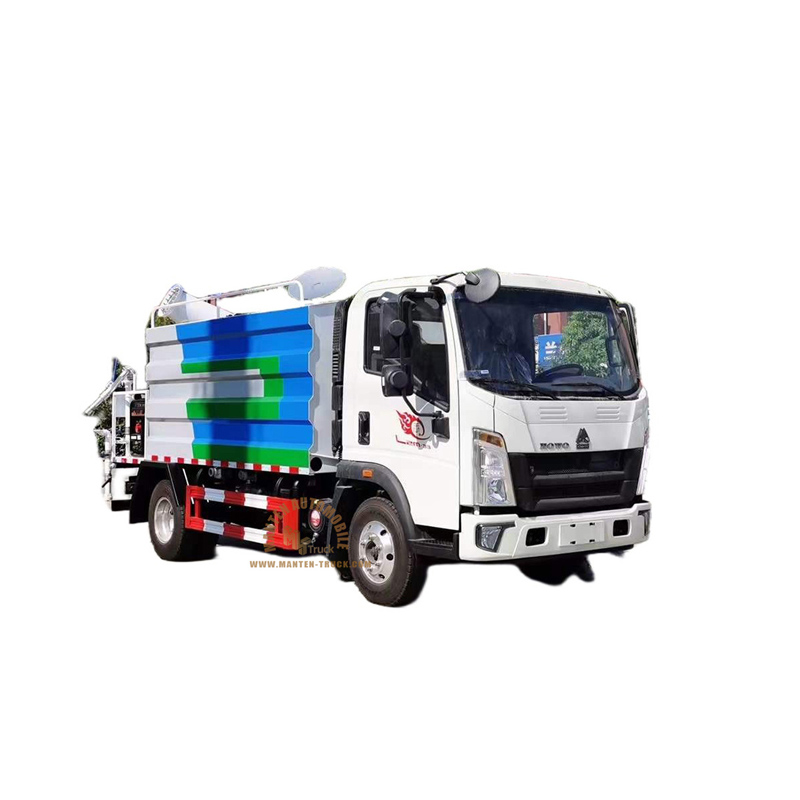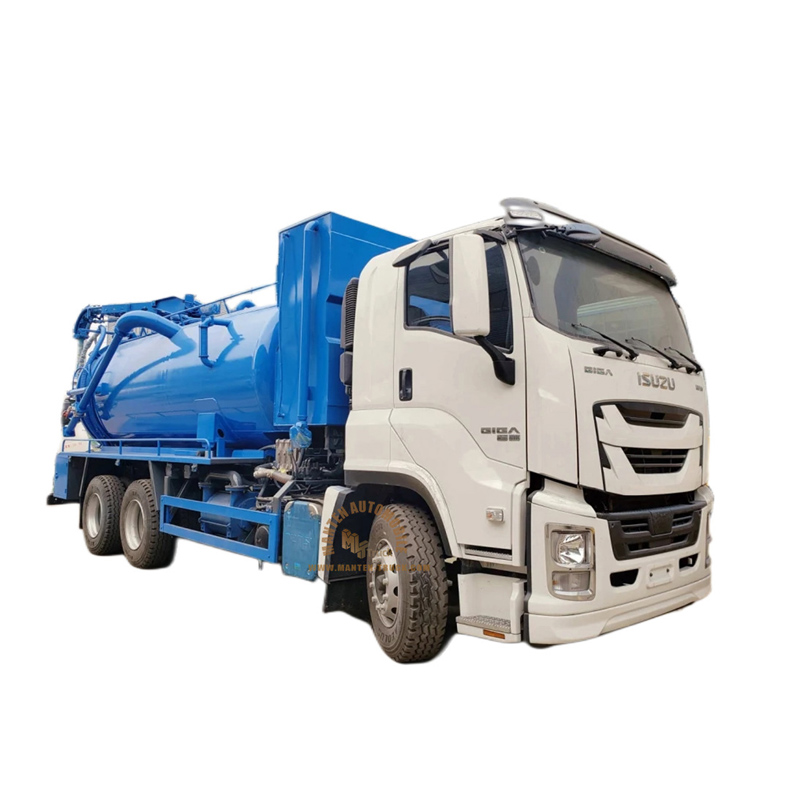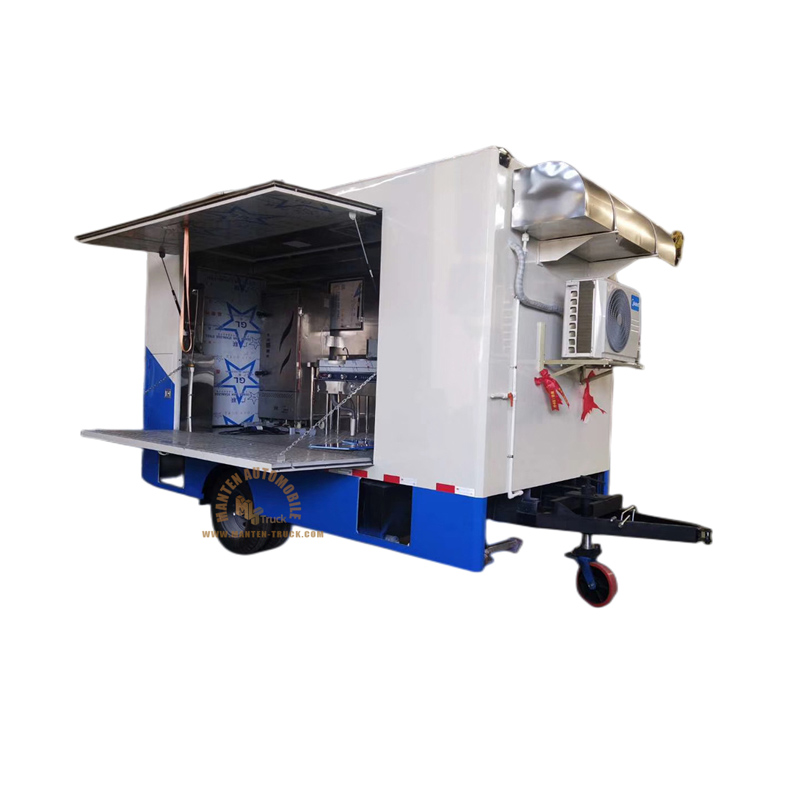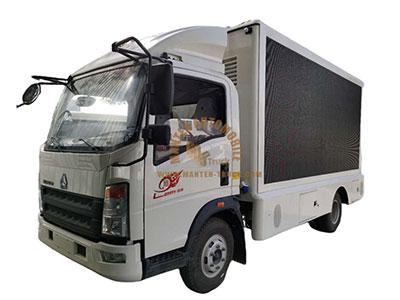
We often see various firefighting trucks on the streets, in fact, they are manufactured by numerous different manufacturers. Let's take a look at the different types of firefighting trucks together.
According to their usage and function, they can be classified into four main categories: water tank firefighting trucks, foam firefighting trucks, compressed air foam firefighting trucks, and dry powder firefighting trucks.
It consists of a chassis, a cab, a tank, a pump and piping, a power output and drive device, additional electrical appliances, firefighting equipment, and fixed fittings. In addition to being equipped with firefighting pumps and equipment, the vehicle also has a larger capacity water tank, water guns, and water cannons, which can transport water and firefighters to the fire site for independent firefighting. It can also suck water directly from the water source for firefighting or supply water to other firefighting trucks and fire suppression devices. In water-deficient areas, it can also be used as a water supply or water transport vehicle, suitable for extinguishing general fires, and is a commonly used firefighting truck.
Foam firefighting trucks generally refer to B-class foam firefighting trucks without an air compressor. It is based on the structure of a water tank fire fighting truck, supplemented with foam liquid tanks and supporting foam mixing and foam generating systems, which can spray foam to extinguish fires of flammable and combustible liquids. It is currently the mainstream frontline firefighting truck, and its classification is the same as that of a water tank vehicle, mainly classified according to the pump's pressure and flow rate, or according to the liquid carrying capacity, and there is currently no specific classification standard. When discussing B-class foam firefighting trucks, it is usually necessary to pay attention to the different foam supply methods, mixing methods, and foam generating devices. The foam supply methods are classified into self-priming (negative pressure) and positive pressure; the proportion mixing methods are classified into manual mechanical type and electronic manual integration type; the foam generating devices are classified into low multiple foam generating devices and high multiple foam generating devices.
It refers to vehicles equipped with compressed air foam systems. Compared with water tank firefighting trucks and ordinary B-class foam firefighting trucks, it has the advantages of high firefighting efficiency, less water usage, environmental friendliness, and high-rise and long-distance transport capabilities. This type of fire fighting truck usually carries A-class foam.
They are mainly equipped with dry powder fire extinguishing tanks, dry powder spraying devices, and firefighting equipment, mainly using dry powder to extinguish combustible and flammable liquids, combustible gas fires, special substances that react to water, and fires caused by electrical equipment. It can also extinguish fires of ordinary substances. It is particularly effective in extinguishing pipeline fires in large-scale chemical plants and is a commonly used firefighting truck for petrochemical enterprises. In general, there are multiple nitrogen storage tanks in the dry powder fire fighting truck, which need to be regularly inspected for pressure, replenished with nitrogen, and sprayed with dry powder to prevent powder caking and pipe blockage. In addition, dry powder firefighting trucks or foam powder combination firefighting truck can also inject nitrogen into the storage tank (via the nitrogen sealed process pipeline interface) during process treatment to achieve the "nitrogen sealing" function, which other types of firefighting trucks cannot provide.
Firefighting trucks usually have warning sirens, flashing lights, and strobe lights on the top. The exterior of the firefighting truck is mostly red, mainly because the red light waves are the longest and have strong penetration ability, even in a foggy, dusty, or rainy environment, it is easy for people to see and make way for it to complete the firefighting and rescue mission.
Explanation of the Negative Pressure Ambulance System DesignJune 6, 2025Principle of the Negative Pressure Ambulance SystemThe negative pressure ambulance system consists of a casing, filtration system, disinfection system, exhaust system, and control system. It ensures t...view
MANTEN New Customized LPG Truck Has Been Officially DeliveredJune 1, 2024Manten successfully delivered a batch of customized Dongfeng 24,000 liter LPG refueling trucks to help customers achieve efficient transportationIn the latest development, Manten's highly customiz...view
The Vital Role of Live Fish Transport Trucks in AquacultureJanuary 26, 2024Aquaculture, also known as fish farming, is an essential industry that ensures a steady supply of fish for human consumption. With the increasing demand for fish products, the transportation of live f...view
Isuzu Prime Mover Safety Features and TechnologyJuly 12, 2024When it comes to transporting goods on the road, safety is a top priority for both drivers and fleet managers. That's why having a reliable and advanced prime mover is essential. In this blog, we ...view
Record the Delivery of 27 meters aerial platform truck for exporting project.August 29, 2023In a recent development, a batch of 27-meter JMC brand high-altitude operation vehicles has been successfully completed and dispatched. These vehicles are designed to cater to various high-altitude op...view
Negative Pressure Ambulance System's Principles and ApplicationDecember 24, 2024The negative pressure ambulance system is an important component of modern medical emergency technology. Its core lies in effectively managing and purifying the air inside the vehicle through a series...view