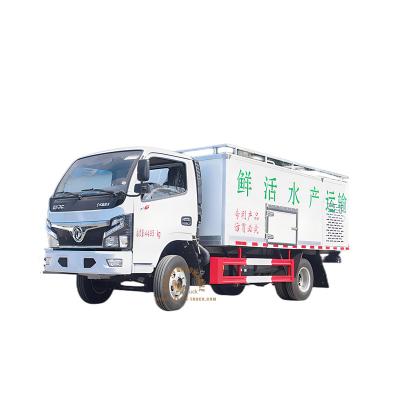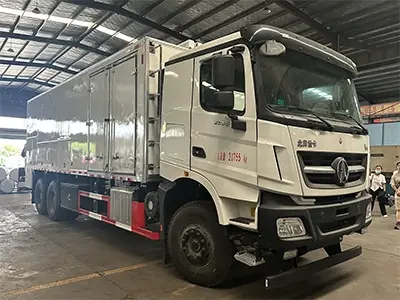
The transport of live fish is a critical aspect of the aquaculture and aquarium industry. Whether you're a commercial fish farmer, a hobbyist, or a retailer, the well-being of the aquatic life during transit is paramount. Live fish transport trucks play a pivotal role in this process. In this blog, we will delve into the world of live fish transport vehicles, exploring their importance, technology, and best practices for ensuring the welfare of aquatic life.
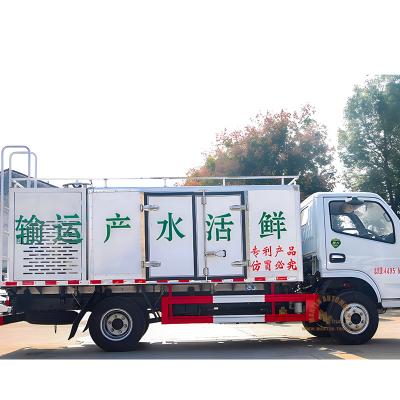
Live fish transport trucks are specialized vehicles designed to carry aquatic life, including fish, invertebrates, and even aquatic plants, from one location to another. These trucks are used in various scenarios, such as:
Aquaculture Farms: Commercial fish farmers use transport trucks to move fish from hatcheries to grow-out ponds or processing facilities.
Aquarium Industry: Retailers and hobbyists rely on these trucks to transport fish from suppliers to aquarium stores or directly to customers.
Conservation Efforts: Live fish transport trucks are also employed in conservation projects to relocate endangered or threatened species.
In all of these scenarios, the welfare of the aquatic life being transported is of utmost importance. Stress and improper handling during transit can lead to fish mortality, compromised health, and decreased market value.
The well-being of aquatic life during transport is safeguarded through advanced technology and equipment. Some key features of live fish transport trucks include:
Aeration Systems: These ensure a continuous supply of oxygen to the fish, maintaining proper oxygen levels in the water.
Filtration Systems: Filtration is vital to maintain water quality during transit, preventing the buildup of harmful ammonia and waste products.
Temperature Control: Sensitive fish species may require specific water temperatures. Transport trucks often include heating and cooling systems to maintain these conditions.
Monitoring and Alarm Systems: These systems keep track of water quality parameters and alert the driver or operator to any deviations.
Secured Containers: Tanks and containers are designed to minimize sloshing and reduce stress on the fish during transport.
Ensuring the welfare of aquatic life during transport involves following best practices:
Pre-Conditioning: Fish should be adequately prepared for transport, including fasting, reducing stressors, and ensuring they are disease-free.
Water Quality Management: Consistently monitoring and maintaining water quality is essential to reduce stress and prevent harm to the fish.
Adequate Space: Ensure fish have sufficient space in the containers to prevent overcrowding and stress.
Safe Handling: Proper loading and unloading procedures and gentle handling are critical to prevent injury to the fish.
In conclusion, live fish transport trucks are an integral part of the aquaculture and aquarium industry. They play a vital role in safely and efficiently moving aquatic life from one location to another. By following best practices and utilizing advanced technology, we can ensure the welfare of the fish during transport, whether they are destined for a home aquarium or a commercial fish farm.
Application and advantages of Led Advertising VehicleSeptember 28, 2022The LED advertising vehicle is an associated product after the rise of the LED industry. It is a new type of communication medium that organically combines automobiles with large LED display screens, ...view
MANTEN New Customized LPG Truck Has Been Officially DeliveredJune 1, 2024Manten successfully delivered a batch of customized Dongfeng 24,000 liter LPG refueling trucks to help customers achieve efficient transportationIn the latest development, Manten's highly customiz...view
What Are the Reasons for the Puncture of the Sanitation Garbage Dump Truck?May 22, 2023The lifespan of tires is actually a false proposition because it can vary from 50,000 to 200,000 kilometers. Truck tires are the epitome of hard work and are a symbol of endurance and resilience. For ...view
Innovations in Live Fish Transport Systems: Ensuring the Health and Welfare of Aquatic LifeJune 12, 2023IntroductionThe transportation of live fish has long been a critical aspect of the aquaculture and fisheries industry. Whether it's transferring fish from hatcheries to farms, transporting exotic ...view
The Functions and Characteristics of The Compressed Garbage TruckJuly 25, 2024The compressed garbage truck is composed of sealed garbage compartment, hydraulic system and operating system. The compressed garbage truck is composed of sealed garbage compartment, hydraulic system ...view
Guardrail Cleaning Trucks in Industrial and Commercial SpacesJanuary 26, 2024Guardrail cleaning is a vital task that is often overlooked in the maintenance of industrial and commercial spaces. Dirty guardrails not only create an unsightly appearance but can also pose serious s...view