Bulk feed delivery trucks, as important transportation tools in the modern livestock industry, have many advantages that traditional transportation methods cannot compare to. They are widely used for the transportation from feed factories to livestock farms, poultry farms, and feed processing users. This not only improves transportation efficiency but also solves many problems in transportation. So what are the advantages of bulk feed delivery trucks compared to general transport trucks?
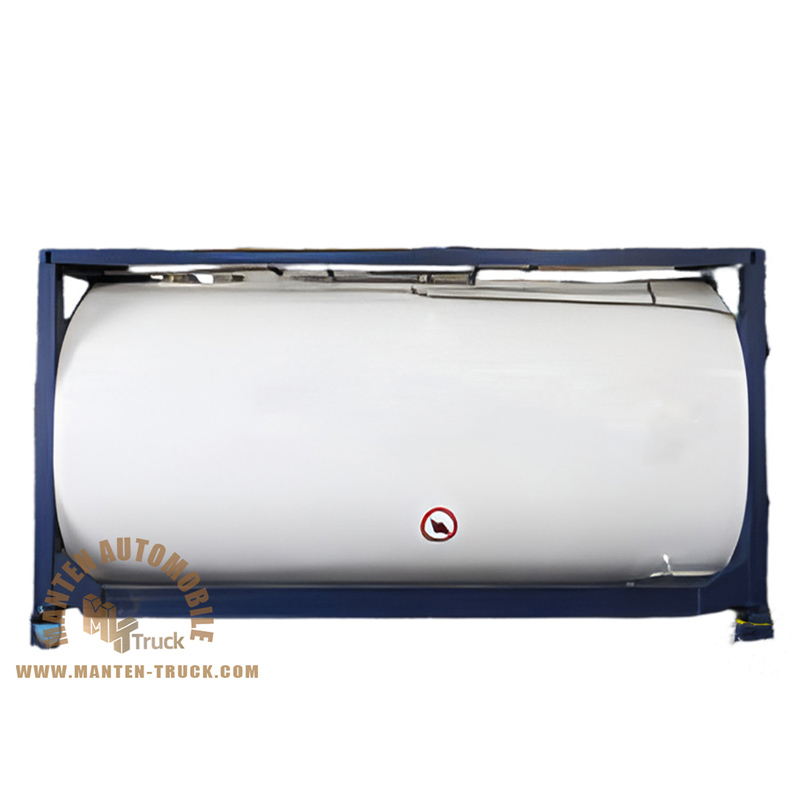
Bulk feed delivery trucks use a fully enclosed sealing system, ensuring that the feed does not come into contact with outside air during the entire process of loading, unloading, and transportation. This design effectively prevents the feed from getting damp, deteriorating, or getting contaminated during transportation, ensuring the quality and safety of the feed.
In contrast, traditional ordinary trucks or bagged transportation methods cannot provide such sealing protection and are often affected by the external environment, reducing the quality of the feed.
In today's fast-paced life, time is money. The mechanized loading and unloading operations of bulk feed delivery trucks greatly improve loading and unloading efficiency, avoiding the need for heavy manual operations. Only one driver is needed, without the need for a large amount of human involvement in loading and unloading, significantly saving time and labor costs. In comparison, manual loading and unloading or bagged feed transportation are slow, inefficient, and consume more time and labor.
Bulk feed delivery trucks use tanks formed by one-time welding of steel plates, which have extremely good sealing performance. Through air pressure testing, it is ensured that the tank has no gaps, thereby avoiding feed leakage or wastage during transportation. In contrast, traditional bagged transportation methods, although convenient, often cause feed spillage or loss due to multiple turnovers, resulting in serious waste. Through enclosed transportation, the feed can be delivered completely, reducing resource waste and ensuring economic benefits.
The tanks of bulk feed delivery trucks are fully sealed, which not only ensures the safety of the feed during transportation but also ensures environmental friendliness. During transportation, no dust or air pollution is generated, thus avoiding negative impacts on the environment. Ordinary open trucks or bagged transportation often cause dust to fly, polluting the air quality.
With the rapid development of the livestock and feed industries, the emergence of bulk feed delivery trucks is an ideal choice to meet this demand. They can adapt to various transportation needs in different environments, not only suitable for transporting bulk feed but also for transporting non-corrosive powdery materials such as pharmaceutical plant powder and grain storage turnover, with a wide range of applications.
This allows feed factories, farms, and processing enterprises to more efficiently complete the turnover of raw materials and finished products, improving the overall supply chain efficiency.
Record The Production Of Compressed Garbage Truck For Exporting ProjectMay 31, 2024In a momentous achievement that solidifies our commitment to environmental sustainability and international trade, our company has recently recorded the production of a fleet of compressed garbage tru...view
How to Choose the Right Bulk Cement Truck for Your OperationMay 26, 2026Choosing a bulk cement truck is not the kind of decision you make with a quick search and a handshake. Over the years, fleet managers and construction project leads have learned—often the hard way—t...view
Negative Pressure Ambulance: Safeguarding Patient Care during Infectious Disease TransportDecember 24, 2025In the evolving landscape of emergency medical services, the negative pressure ambulance has emerged as a critical solution for safely transporting patients with highly contagious diseases. At Manten,...view
Safe Driving and Protection of Oil Tanker Trucks: Ensuring Transport Safety and Preventing Potential RisksJuly 25, 2024In recent years, frequent accidents involving oil tanker trucks have not only caused significant property losses but also led to casualties, attracting widespread public concern. To ensure the safety ...view
Safety Precautions for LPG Gas Tanker TruckDecember 24, 2024The improper transportation of hazardous chemicals can have significant consequences. Accidents involving liquefied petroleum gas (LPG) tank trucks differ from general hazardous chemical transportatio...view
Explanation of the Negative Pressure Ambulance System DesignJune 6, 2025Principle of the Negative Pressure Ambulance SystemThe negative pressure ambulance system consists of a casing, filtration system, disinfection system, exhaust system, and control system. It ensures t...view